
Understanding the challenges men face with emotional expression
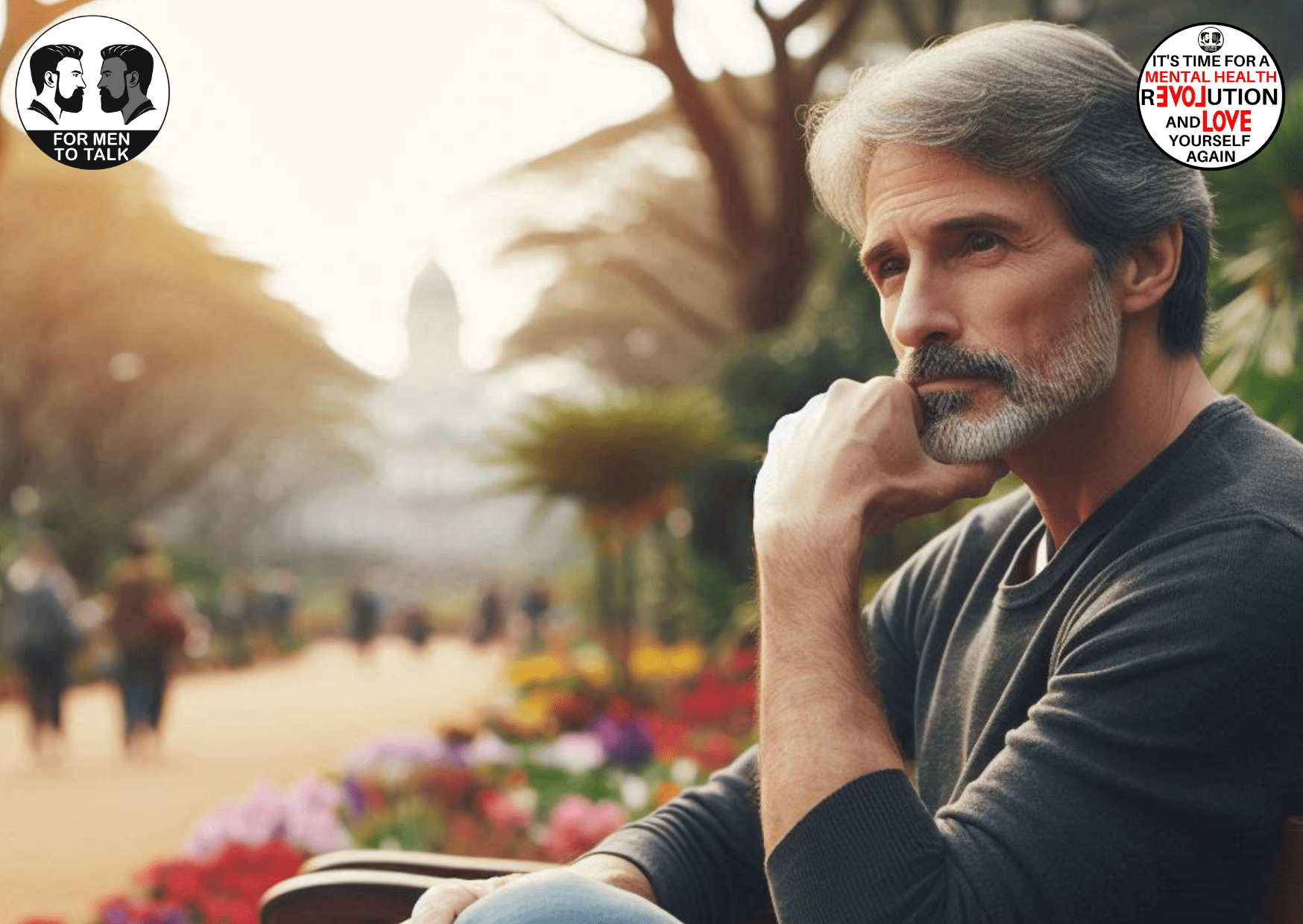
In many cultures, the idea of emotional expression has long been associated with femininity, while men are often encouraged to adopt a stoic, unflappable demeanour. This gendered perspective can create significant barriers for men when it comes to feeling and expressing their emotions. But why is it so challenging for men to embrace their emotional side? Let’s delve into the cultural, psychological, and social factors at play.
Cultural Expectations and Stereotypes
One of the primary reasons men struggle with emotional expression is the cultural expectations placed upon them. From a young age, boys are often taught to be tough and resilient, with phrases like “boys don’t cry” or “man up” reinforcing the notion that showing emotion is a sign of weakness. These societal norms can create internalised pressure, where men feel compelled to suppress their feelings to align with the stereotypical image of masculinity.
This cultural conditioning can be incredibly limiting. It discourages men from exploring and expressing a full range of emotions, creating a narrow emotional spectrum that can lead to difficulties in relationships and personal well-being. When emotions are consistently suppressed, it can result in increased stress, anxiety, and a sense of disconnection from oneself and others.
Psychological Impacts
Psychologically, the suppression of emotions can have profound effects. When men are conditioned to avoid expressing their feelings, they may develop coping mechanisms that involve detachment or avoidance. This can manifest as difficulty in recognising and articulating emotions, making it challenging to process and address underlying issues.
Additionally, the fear of vulnerability can be a significant barrier. Embracing vulnerability is often equated with weakness in traditional male roles, so men may avoid opening up to avoid judgment or perceived loss of control. This fear can lead to a cycle of emotional repression, where men not only struggle with their feelings but also feel isolated from others who might offer support.
Socialisation and Role Models
The role models and social environments that boys and men are exposed to also play a crucial role. Often, societal figures such as fathers, coaches, and public personas reinforce the idea that emotional restraint is a virtue. When influential figures model emotional suppression, it reinforces the message that expressing feelings is inappropriate or undesirable.
Moreover, peer interactions can perpetuate these norms. In many social circles, men may feel pressured to conform to the prevailing attitudes about masculinity, which can discourage open emotional dialogue. This environment can stifle personal growth and emotional development, making it harder for men to feel comfortable with their emotions.
The Path Forward
Addressing these challenges requires a shift in societal attitudes and personal practices. Encouraging emotional literacy and vulnerability in men can start from a young age. Parents and educators can model and teach healthy emotional expression, helping boys understand that emotions are a natural and integral part of human experience.
Creating spaces where men feel safe to express their feelings, such as support groups or therapy, can also be beneficial. These environments provide validation and encourage men to explore their emotional landscapes without fear of judgment. As more men begin to embrace and articulate their emotions, it can challenge and gradually shift the traditional stereotypes about masculinity.
Ultimately, fostering a culture that values emotional expression for everyone, regardless of gender, can lead to healthier individuals and relationships. By breaking down the barriers that restrict emotional openness, men can experience a richer, more fulfilling connection with themselves and those around them.