
The silent struggle: Why men don’t talk about their mental health due to fear of vulnerability
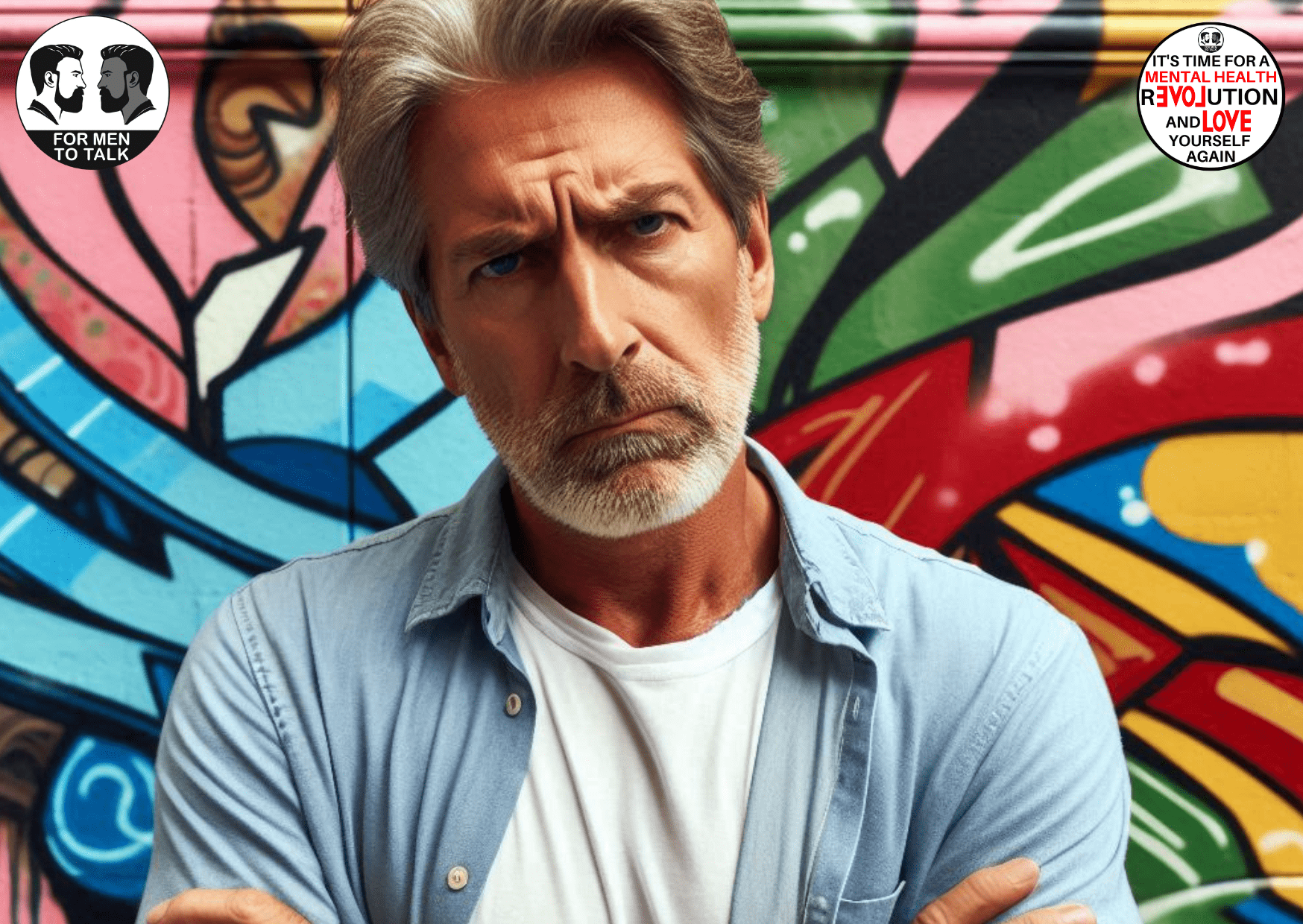
Mental health is a crucial part of overall well-being, yet many men struggle to openly discuss their feelings and emotions. Despite increasing awareness about mental health issues, men are still significantly less likely than women to seek help. One of the major reasons behind this disparity is the fear of vulnerability. Talking about emotions requires a level of openness that many men perceive as a threat to their masculinity. This fear is deeply ingrained in societal expectations, cultural norms, and traditional gender roles that perpetuate the notion that showing vulnerability equates to weakness.
The Pressure to “Be a Man”
From a young age, boys are often conditioned to believe that expressing emotions, especially negative ones like sadness, fear, or anxiety, is not “manly.” Phrases like “man up,” “boys don’t cry,” or “toughen up” are commonly used to teach young boys that emotional expression is something to suppress. Instead of being encouraged to talk about their feelings, they are often told to internalise them, as if emotional pain is something they should endure silently.
As these boys grow into men, the belief that emotions are a sign of weakness often becomes deeply embedded. When mental health struggles arise, the fear of being perceived as weak, soft, or unmanly can keep men from seeking the help they need. Many men feel trapped in an invisible box created by societal expectations that dictate how a “real man” should act. Vulnerability, in this framework, is seen as dangerous—something that could expose them to ridicule, judgment, or rejection.
Fear of Judgment and Stigma
Societal stigma surrounding mental health adds another layer of complexity. While there is increasing awareness about the importance of mental health, the stigma attached to it remains prevalent, particularly among men. The fear of being judged by peers, family, or coworkers keeps many men silent. Opening up about mental health can feel like admitting defeat, an acknowledgment that they are not as strong or resilient as society expects them to be.
In some cases, men worry that talking about their emotions might lead others to see them as less competent or dependable. In professional settings, where competition is fierce, men may fear that revealing their struggles could make them appear weak or vulnerable to their colleagues or employers. In personal relationships, they may fear being perceived as overly emotional or “too much to handle.”
The Consequences of Silence
The consequences of men’s reluctance to talk about their mental health can be devastating. The silence surrounding men’s mental health issues contributes to higher rates of depression, substance abuse, and even suicide among men. In fact, suicide rates among men are significantly higher than among women, a tragic indication of the severity of this issue. The suppression of emotions and refusal to seek help can lead to prolonged suffering, isolation, and deteriorating mental health.
The pressure to conform to traditional ideals of masculinity can also strain relationships. Men who bottle up their emotions often struggle to communicate effectively with their partners, friends, or family members. This emotional distance can lead to misunderstandings, resentment, and ultimately, a breakdown in relationships that might otherwise offer support during difficult times.
Breaking the Cycle
To address the fear of vulnerability, society must challenge the traditional notions of masculinity that equate strength with stoicism. It’s important to encourage men to see vulnerability not as a weakness, but as a strength. Opening up about mental health is an act of courage—one that requires self-awareness and a desire for growth and healing.
Breaking the cycle of silence begins with fostering environments where men feel safe to express themselves without fear of judgment. Mental health education in schools, workplaces, and communities can play a vital role in reshaping attitudes about masculinity and emotional expression. Campaigns and initiatives that challenge outdated stereotypes can empower men to embrace their full emotional range and seek help when needed.
Conclusion
The fear of vulnerability is a powerful force that keeps many men from addressing their mental health issues. However, by changing the narrative around masculinity and emotional openness, we can create a world where men feel comfortable seeking help and talking about their mental health. Real strength lies not in suppressing emotions but in the willingness to confront them head-on.