
Why men don’t talk about their mental health: The role model gap
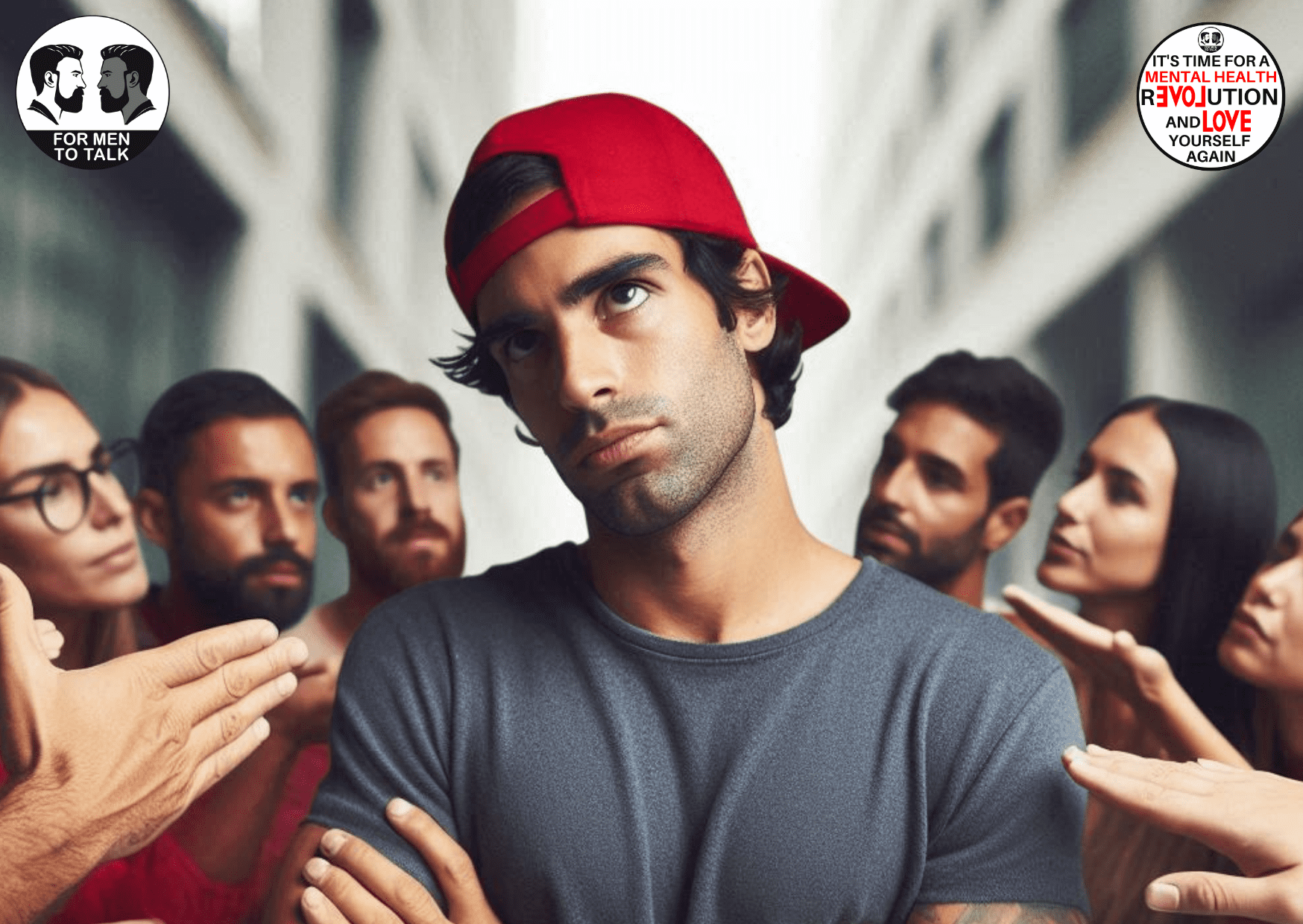
In recent years, conversations around mental health have become more mainstream. Despite this progress, many men still struggle to open up about their mental well-being. A significant reason for this hesitancy is the lack of role models who demonstrate vulnerability and openly discuss their mental health. Without positive examples of men doing so, many feel unsure, even uncomfortable, about expressing their emotions. This gap creates a vicious cycle of silence, stigmatisation, and, ultimately, suffering.
The Influence of Cultural Norms
Cultural norms play a significant role in shaping how men perceive and express their emotions. From a young age, many boys are socialised to believe that displaying emotions is a sign of weakness. Phrases like “man up” or “boys don’t cry” create the expectation that men should be stoic, self-reliant, and in control. These outdated beliefs make it challenging for men to admit when they are struggling with their mental health.
When men lack examples of others who successfully navigate these emotional challenges, they often feel isolated. For many, the idea of talking about mental health feels foreign or even wrong because it contrasts with the image of masculinity they’ve been taught to uphold. In a world where strength and invulnerability are celebrated, discussing feelings of anxiety, depression, or stress can feel like a betrayal of this masculine identity.
The Role Model Gap
Role models significantly influence how people approach life’s challenges, from career ambitions to personal development. For men, however, there is often a noticeable absence of role models who openly discuss mental health. While women have more widely embraced the practice of sharing their emotional experiences, men still often lack accessible figures who model vulnerability in a healthy, constructive way.
In the media, politics, sports, and even within families, men are more likely to be portrayed as emotionally resilient and tough. Rarely are male leaders, celebrities, or public figures shown being open about their struggles with mental health. When men do share their experiences, they are often viewed as outliers rather than representing a normal, healthy way of coping. This contributes to the belief that vulnerability is an exception rather than the norm.
The Impact of the Role Model Gap
The lack of visible male role models who are open about mental health struggles perpetuates a harmful cycle. Men who don’t see others like them sharing their emotions may believe they are alone in their challenges, even though mental health issues are pervasive. This isolation can compound feelings of shame, leading men to suppress their emotions further rather than seeking help.
In extreme cases, this silence can have devastating consequences. Men are statistically more likely to die by suicide than women, yet they are also less likely to seek therapy or talk to a professional. The stigma around mental health, fuelled by the lack of role models, makes it difficult for many men to acknowledge their suffering until it becomes unbearable.
Changing the Narrative
To break this cycle, society must encourage more men to become role models for vulnerability. Public figures, athletes, and leaders who talk openly about their mental health struggles can pave the way for others to feel comfortable doing the same. The more men who come forward with their stories, the easier it will become for others to recognise that discussing mental health is not a sign of weakness but a form of strength.
This shift also needs to happen on a smaller scale, within families, workplaces, and communities. Fathers, brothers, and friends must lead by example, demonstrating that it’s okay to be open about emotions and seek help when needed. By normalising vulnerability and offering tangible examples, men can begin to break free from the restrictive norms that have silenced them for so long.
Conclusion
The lack of role models who openly discuss mental health has left many men unsure of how to express their feelings. This gap in representation perpetuates harmful stereotypes of masculinity, keeping men trapped in silence. However, by fostering a culture where vulnerability is seen as strength and encouraging men to share their stories, we can begin to bridge this gap. Men need to see others like them embracing emotional honesty, so they too can feel empowered to speak up and take control of their mental well-being.