
Why men don’t talk about their mental health: The pressure to appear strong
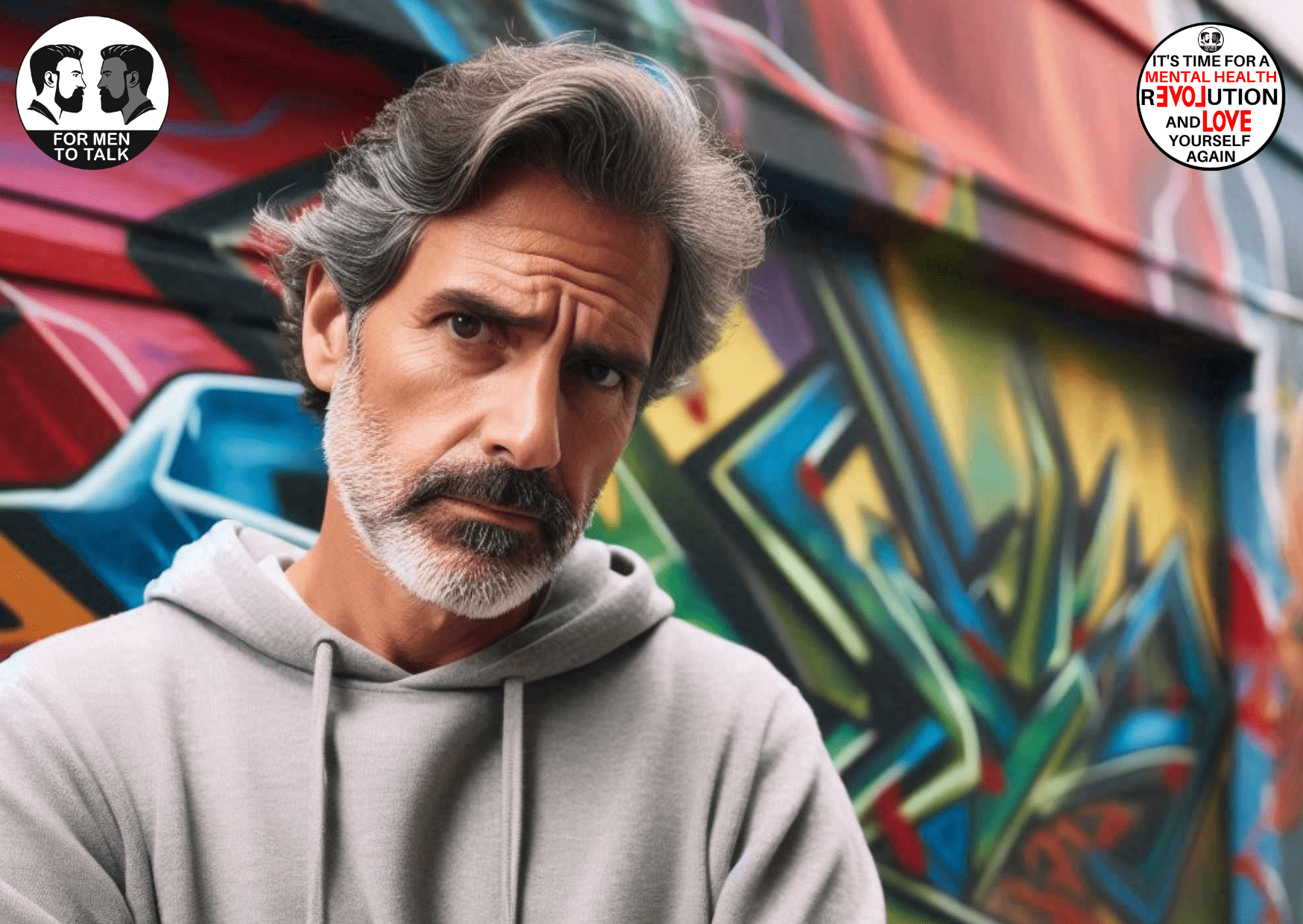
When it comes to mental health, there’s a deeply rooted stigma that affects men in particular. One of the most significant reasons men don’t talk about their emotional well-being is the societal pressure to appear strong. For generations, men have been cast in the role of protectors and providers, tasked with taking care of others while suppressing their own emotional struggles. This expectation, reinforced by cultural norms and outdated gender stereotypes, can lead men to believe that acknowledging mental health challenges is a sign of weakness, undermining their identity as strong and dependable individuals.
The Traditional Role of Men as Providers and Protectors
Historically, men have been expected to fulfil the role of provider — the breadwinner of the family who ensures the safety, stability, and prosperity of those around him. This image of men as protectors has roots in ancient social structures, where physical strength and stoicism were essential for survival. While modern society has evolved, these traditional expectations remain embedded in our culture.
For many men, stepping away from this role feels like failure. If a man is struggling emotionally or mentally, he might perceive himself as being incapable of fulfilling his expected duties. This internal conflict often prevents men from acknowledging their struggles or reaching out for help. Admitting to mental health issues may be seen as a vulnerability that threatens their ability to protect and provide for others.
The Fear of Appearing Weak
The pressure to appear strong often leads to the belief that showing emotion or vulnerability will be viewed as weakness. Unfortunately, societal norms still portray men who express their feelings or open up about their struggles as less masculine. This perception is damaging and can contribute to men remaining silent about their mental health issues.
Fear of judgment, rejection, or ridicule can prevent men from seeking help. They may worry that others, especially their families or peers, will view them as inadequate or incapable. This fear can be so strong that many men choose to suffer in silence, allowing their mental health to deteriorate instead of risking their status as “strong” individuals.
Internalised Masculinity and Emotional Suppression
From a young age, boys are often taught to suppress emotions. Phrases like “boys don’t cry” or “man up” are common and push the idea that emotions such as sadness, fear, or anxiety are signs of weakness. As a result, many men learn to disconnect from their feelings or hide them entirely. Emotional suppression becomes a survival tactic — a way to conform to societal expectations.
However, this can have long-term consequences. Suppressed emotions don’t disappear; they manifest in other ways, including anger, irritability, or unhealthy coping mechanisms like substance abuse. Men who suppress their feelings are at a higher risk of developing depression, anxiety, and even suicidal thoughts. Despite these risks, the ingrained notion that men should always be strong can make it difficult for them to confront their mental health challenges openly.
The Impact on Mental Health
The pressure to appear strong is one of the main reasons why men are less likely to seek mental health care. Studies show that men are less likely than women to be diagnosed with conditions like depression and anxiety, not because they suffer less, but because they are less likely to speak about their symptoms or seek help. This disparity contributes to higher rates of substance abuse, social isolation, and suicide among men. In fact, suicide rates among men are significantly higher than among women, with many mental health experts attributing this to the stigma around vulnerability and emotional expression.
Breaking the Cycle
Breaking the cycle of emotional suppression and encouraging men to talk about their mental health is crucial. Conversations around mental health need to become more inclusive, emphasising that seeking help is not a sign of weakness but a brave step towards healing and well-being. Prominent male figures, from athletes to actors, have begun to speak openly about their mental health, which is helping to challenge outdated stereotypes.
Ultimately, it’s important to shift the narrative that strength and vulnerability are mutually exclusive. Men can be providers, protectors, and emotionally open — in fact, emotional resilience can make them stronger in both their personal and professional lives. The more we dismantle the harmful pressures surrounding masculinity, the more we can encourage men to seek the support they deserve for their mental health.