
World Wildlife Day and the crucial link to men’s mental health
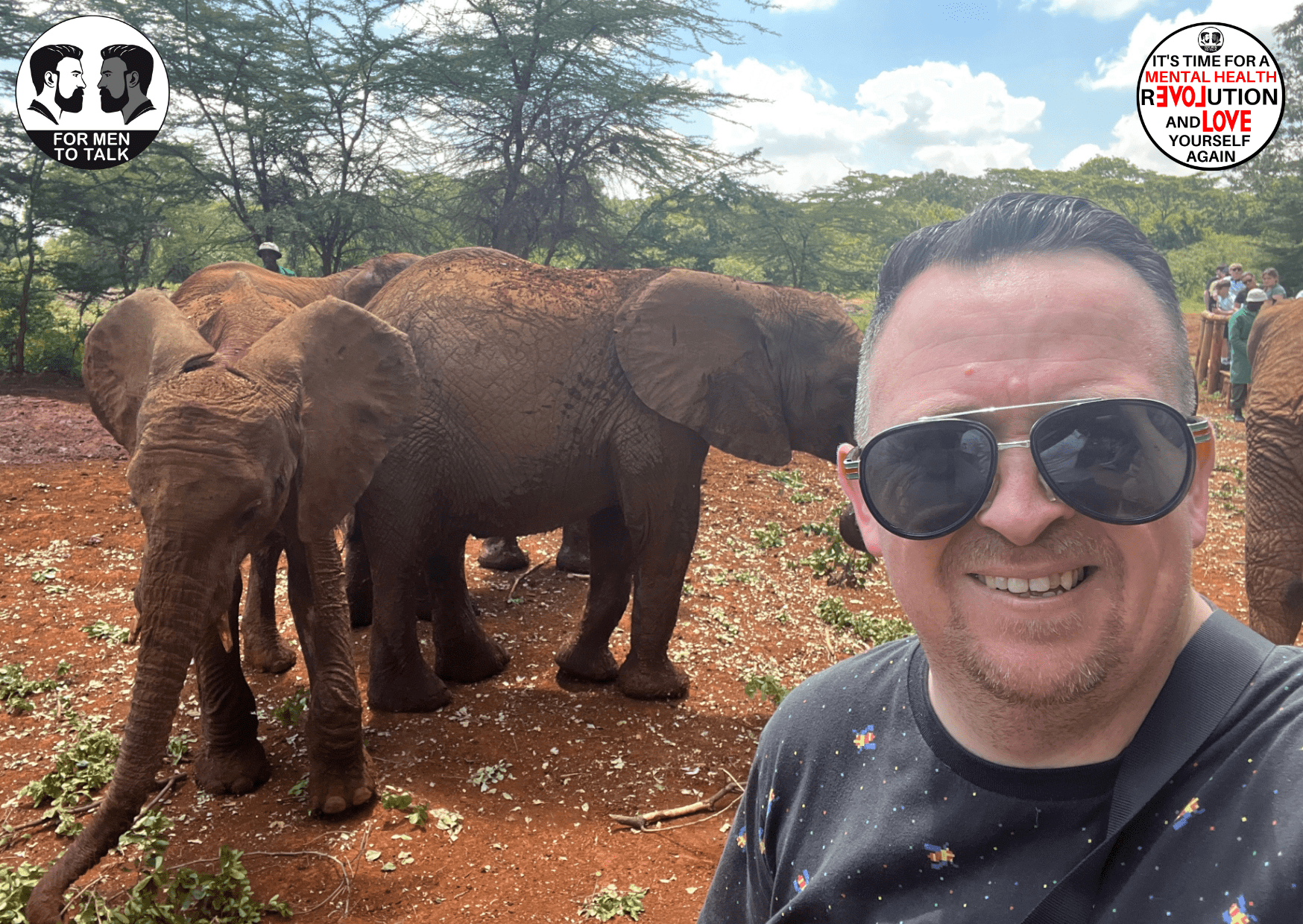
World Wildlife Day, observed annually on 3rd March, is a United Nations International day to celebrate all the world’s wild animals and plants and the contribution that they make to our lives and the health of the planet.
As we celebrate this day, it is essential to recognise the profound impact of wildlife conservation on human well-being. In particular, men’s mental health is an aspect that deserves attention, as it is often overlooked and misunderstood. This article explores the interconnectedness between World Wildlife Day and men’s mental health, highlighting how the conservation of nature can positively influence mental well-being.
The Connection Between Wildlife and Mental Health
Human beings share a symbiotic relationship with the natural world and this bond has a significant impact on our mental and emotional well-being. Access to nature, whether through national parks, forests or wildlife reserves, has been proven to have a positive effect on mental health. Spending time in nature reduces stress, anxiety and depression, promoting overall mental wellness. For men, who may be more prone to bottling up emotions and societal pressures, the therapeutic benefits of nature are particularly valuable.
Understanding the Importance of World Wildlife Day
World Wildlife Day serves as a reminder of the intricate web of life on our planet and the critical role wildlife plays in maintaining ecological balance. Conservation efforts are essential to protect endangered species and preserve biodiversity. However, the significance of this day goes beyond preserving the animal kingdom. The well-being of wildlife is closely intertwined with the health of ecosystems, which, in turn, impact human life, including men’s mental health.
Reducing Stress and Anxiety
Nature has a calming effect on the human mind. Studies have shown that spending time in natural environments can lower cortisol levels, the stress hormone and reduce feelings of anxiety. Engaging with wildlife on World Wildlife Day or any other day can offer a temporary escape from the pressures of daily life and promote relaxation and tranquility.
Encouraging Physical Activity
Conservation efforts often involve activities such as hiking, nature walks, or wildlife observation. Participating in these activities encourages men to engage in physical exercise, which is essential for maintaining good mental health. Regular physical activity helps release endorphins, the ‘feel-good’ hormones, which can alleviate symptoms of depression and improve overall mood.
Fostering a Sense of Purpose and Connection
Involvement in wildlife conservation can give men a sense of purpose and meaning. Engaging in efforts to protect endangered species and their habitats provides a connection to something larger than oneself, fostering a sense of fullfillment and belonging.
Promoting Mindfulness and Reflection
Wildlife encounters offer opportunities for mindfulness and reflection. Observing animals in their natural habitat can prompt men to contemplate the fragility of life, the beauty of nature and the need for its preservation. Such moments can lead to increased self-awareness and personal growth, contributing to improved mental well-being.
On World Wildlife Day, we celebrate the wonders of the natural world and acknowledge the role wildlife plays in our lives. While conservation efforts are vital for the preservation of biodiversity, it is crucial to recognise that protecting wildlife also benefits human mental health, particularly that of men. Access to nature and engagement with wildlife offer therapeutic benefits, reducing stress, anxiety, and depression, and fostering a sense of purpose and connection. As we continue to appreciate the beauty of the animal kingdom, let us also remember its profound impact on our own well-being and strive to create a world where both wildlife and humans can thrive together in harmony.